October 6, 2026
Sauna and Relaxation: What the Evidence Can Tell Us

A sauna can create a welcome pause in a busy day: warmth, a quiet setting and time away from everyday tasks. Many people choose it for relaxation. Enjoying that experience is different from expecting a cabin to treat a medical condition.
Start with a realistic goal
A useful goal might be a calm break that feels comfortable. Choose a routine around your preferences, with time to cool down afterward. You do not need to chase extreme temperatures or a larger amount of sweat to make the experience worthwhile.
Read health headlines carefully
Some studies have associated frequent sauna use with better cardiovascular outcomes. An association does not prove that sauna use caused the result. The people studied, their other habits and the type of sauna all affect how findings should be interpreted.
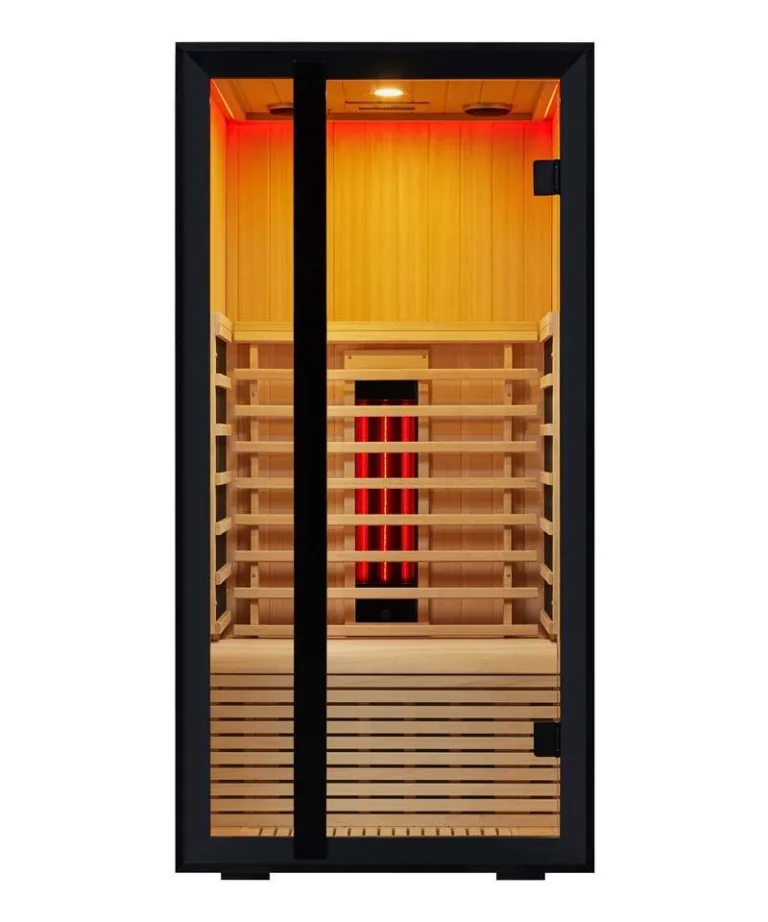
Research into infrared sauna use has also explored several health conditions, but larger, more rigorous studies are still needed. A finding from one study cannot be turned into a promise for every person or every sauna model.
Keep the wider routine in view
Sauna time should complement the rest of your life rather than replace exercise or prescribed care. If you enjoy a quiet session, make comfort the priority and allow yourself to leave early. A restorative pause should not become an endurance challenge.
Choose the experience, not a medical promise
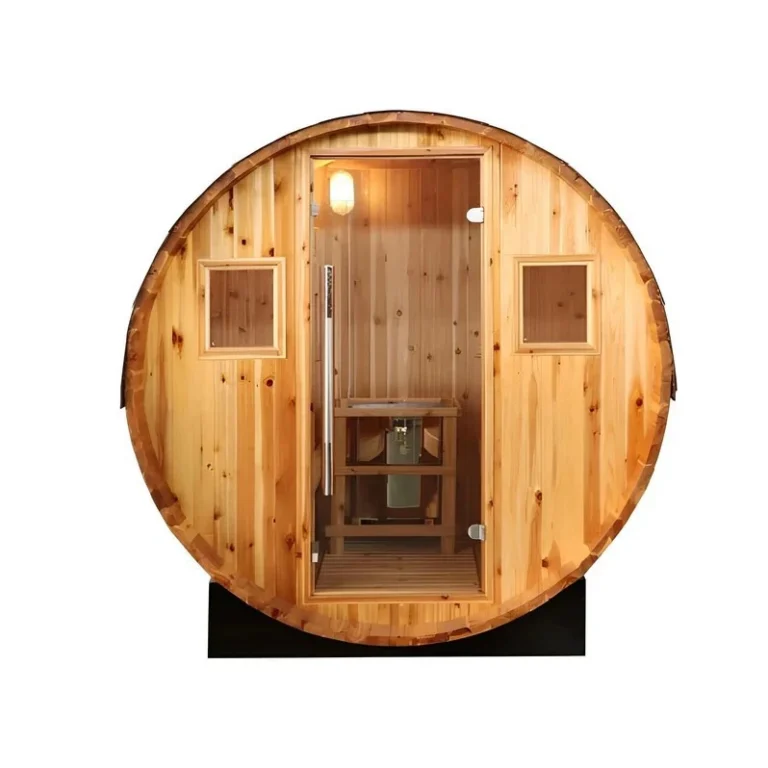
When comparing cabins, look at seating, controls and the environment you prefer. A warmer room or a different heating method does not establish better health results. For questions about a diagnosed condition, ask your healthcare professional rather than relying on a product description.
Our journal also includes guides to session planning and personal health precautions.
General educational information, not individual medical advice. Content checked October 6, 2026.